
New Federal Rule 702 Changes: What Expert Witnesses and Attorneys Need to Know in 2026
If you work in litigation—whether as an attorney, claims professional, or expert witness—you’ve probably heard plenty of discussion about the updated Federal Rule of Evidence 702. The changes officially took effect recently, and they’re already influencing how courts evaluate expert testimony in 2026.
But what do these updates actually mean? And how will they change the way attorneys and experts prepare testimony together?
Let’s break it down in a simple, conversational way.
First, What Is Rule 702?
Rule 702 governs the admissibility of expert testimony in federal courts.
Think of it as the filter that determines:
Think of it as the filter that determines:
-
Who qualifies as an expert
-
What the expert may testify about
-
How reliable and relevant their analysis must be
It ultimately decides whether an expert’s opinions ever reach the jury.
So What Changed? (And Why It Matters)
The Rule 702 updates weren’t minor. They clearly reinforce the judge’s responsibility to evaluate expert testimony before it reaches the courtroom.
1. Judges Must Actively Evaluate the Expert’s Methods
Courts can no longer treat methodological challenges as issues of “weight.” Judges now must confirm that the expert’s methods are reliable before the testimony is admitted.
2. Experts Must Stay Strictly Within Their Analysis
Experts can’t go beyond what their data, methodology, or qualifications can reasonably support.
No overreaching. No assumptions. No stretching conclusions.
No overreaching. No assumptions. No stretching conclusions.
3. Attorneys Carry the Burden of Proof
Attorneys must demonstrate that:
-
The expert used reliable, accepted methods
-
They applied those methods correctly
-
Their opinions fit the facts of the case
This increases the need for early, thorough vetting of experts.
How Attorneys Should Adjust Their Strategy
1. Begin Working With Experts Earlier
With higher scrutiny on methodology, experts need time to conduct reliable, defensible analysis. Bringing them in early ensures their process holds up under Rule 702.
2. Request Complete, Detailed Documentation
Courts will expect:
-
Clear explanations of the expert’s methods
-
Data supporting each conclusion
-
Identification of limitations
-
Transparent reasoning behind the chosen methodology
Thorough documentation strengthens admissibility.
3. Expect More Daubert Motions
Opposing counsel will likely test these new boundaries. Attorneys must prepare for more challenges to expert methods, assumptions, and conclusions.
How Expert Witnesses Should Prepare Under Rule 702
1. Stay In Your Lane
Experts should speak only to:
-
Their true qualifications
-
Their supported conclusions
-
Their tested methodologies
Anything beyond that risks exclusion.
2. Make Methods Transparent
Experts must be able to clearly explain:
-
What methods they used
-
Why those methods are accepted in their field
-
How they applied them
-
What limitations exist in the analysis
3. Collaborate Early With the Attorney
Rule 702 places a premium on early preparation. Experts and attorneys must work together on:
-
The scope of testimony
-
Reliability of analysis
-
Anticipating potential challenges
-
Ensuring conclusions are firmly grounded in the data
Who Will Feel the Biggest Impact?
Insurance and Risk Management Cases
Technical litigation—especially involving claims handling, risk assessments, or insurance disputes—will see increased scrutiny.
Construction Litigation
Expect stronger challenges around:
-
Standard-of-care opinions
-
Damage calculations
-
Causation analysis
Commercial and Operational Disputes
Experts offering financial, compliance, or operational opinions will face stricter reliability requirements.
What This Means for Litigation in 2026
-
Expert selection must be more intentional
-
Methodology must be well-founded and defensible
-
Documentation must be complete and organized
-
Attorneys and experts must prepare as a unified team
-
Testimony must stay within the scope of the analysis
The updated rule creates more clarity—and better outcomes—when attorneys and experts work together strategically.
How Gulf Coast Risk Management Supports Attorneys Under Rule 702
Our team provides:
-
Defensible, industry-standard methodologies
-
Clear, well-organized reports
-
Early involvement for stronger case preparation
-
Reliable, fact-supported conclusions
-
Litigation support from initial evaluation through trial
-
Experience anticipating Rule 702 challenges
-
Clear and credible expert testimony
These updates strengthen the need for disciplined, transparent expert work—and that’s exactly what we deliver.
Final Thoughts
The 2026 changes to Rule 702 aren’t just procedural—they reshape how expert witnesses and attorneys prepare for litigation.
When both sides collaborate early, document thoroughly, and stay within the boundaries of reliable methodology, they create testimony that stands up to modern admissibility standards.
When both sides collaborate early, document thoroughly, and stay within the boundaries of reliable methodology, they create testimony that stands up to modern admissibility standards.
If you need help navigating the new Rule 702 landscape or preparing expert testimony that meets today’s expectations, Gulf Coast Risk Management is ready to help.
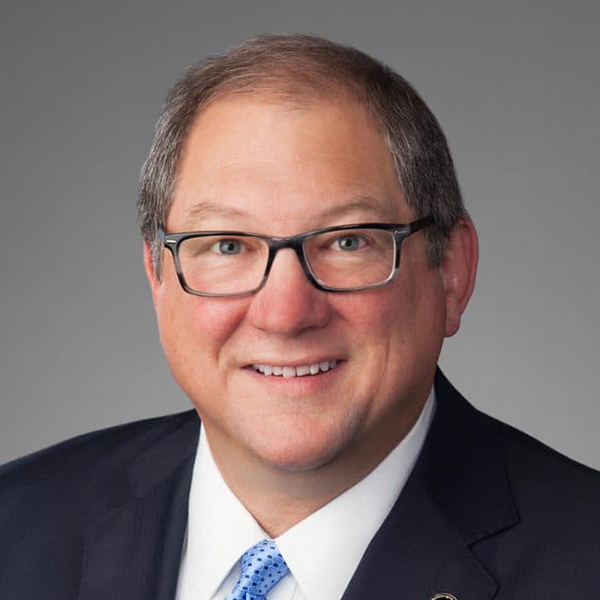
Scott Margraves
Gulf Coast Risk Management