
Why Expert Witness Testimony Gets Excluded — And How Attorneys Can Prevent It
Expert witness testimony can strengthen a case—or completely derail it. Courts increasingly scrutinize expert opinions, and even highly credentialed experts can be excluded if their testimony fails to meet evidentiary standards. When that happens, the consequences can be severe: weakened claims or defenses, lost leverage in settlement negotiations, or outright dismissal of critical arguments.
Understanding why expert witness testimony gets excluded—and how to prevent it—is essential for attorneys handling complex insurance, construction, and risk-related litigation.
The Growing Scrutiny on Expert Witness Testimony
Courts are placing greater emphasis on the reliability, methodology, and relevance of expert testimony. Judges are no longer deferring credibility questions solely to the jury. Instead, they act as gatekeepers, carefully evaluating whether an expert’s opinions meet admissibility standards before testimony ever reaches the courtroom.
As a result, expert witness exclusion is becoming more common—and more predictable.
The Most Common Reasons Expert Witness Testimony Is Excluded
1. Failure to Meet Rule 702 Requirements
Under Federal Rule of Evidence 702, expert testimony must be:
-
Based on sufficient facts or data
-
The product of reliable principles and methods
-
Properly applied to the facts of the case
Experts who rely on assumptions, incomplete data, or unsupported conclusions are vulnerable to exclusion.
2. Weak or Inconsistent Methodology
Courts closely examine how an expert arrived at their opinion. Testimony may be excluded if:
-
The methodology is not generally accepted
-
The analysis cannot be replicated
-
The expert deviates from standard industry practices
-
Conclusions appear outcome-driven rather than data-driven
Methodology—not credentials—is often the deciding factor.
3. Opinions That Cross Into Legal Conclusions
Experts are permitted to explain technical or specialized issues—but not to tell the court how to rule. Testimony may be excluded when experts:
-
Interpret legal duties or contract terms
-
Offer opinions on ultimate legal conclusions
-
Substitute legal analysis for technical expertise
Clear role boundaries are critical.
4. Lack of Case-Specific Analysis
Generic opinions or recycled reports are a red flag. Courts frequently exclude testimony when experts fail to:
-
Analyze the specific facts of the case
-
Tie opinions directly to the evidence
-
Address opposing theories or data
Expert testimony must be tailored—not templated.
5. Poor Deposition Performance
Even well-prepared reports can unravel under deposition. Testimony may be excluded when experts:
-
Contradict their own reports
-
Concede methodological flaws
-
Appear unfamiliar with key documents
-
Struggle to explain their analysis clearly
Depositions often provide the foundation for motions to exclude.
How Attorneys Can Prevent Expert Witness Exclusion
Engage Experts Early
Early involvement allows experts to:
-
Shape discovery strategy
-
Identify evidentiary gaps
-
Develop opinions alongside the evolving record
Late engagement increases the risk of rushed or incomplete analysis.
Vet Methodology Before Reports Are Finalized
Attorneys should ensure experts can clearly articulate:
-
The principles they relied on
-
Why those principles are accepted in the industry
-
How they applied them to the facts
If an expert cannot explain their process simply and consistently, neither will the court.
Coordinate Legal Strategy With Expert Analysis
Expert opinions should align with—but not replace—legal arguments. Coordination helps ensure:
-
Opinions remain technical, not legal
-
Testimony supports claims without overreaching
-
Reports anticipate admissibility challenges
Prepare Experts Thoroughly for Deposition and Trial
Preparation should include:
-
Mock deposition questioning
-
Review of opposing expert critiques
-
Clarification of terminology and assumptions
-
Consistent articulation of opinions and methodology
Preparation is often the difference between admissible testimony and exclusion.
Why Specialized Expert Witness Support Matters
Expert witnesses in insurance, construction, and risk management cases operate in highly technical environments. Courts expect precision, clarity, and defensible analysis. Working with professionals who understand both industry standards and litigation expectations significantly reduces the risk of exclusion.
Proper expert coordination doesn’t just protect admissibility—it strengthens credibility.
Protecting the Value of Expert Testimony
Expert witness testimony is one of the most powerful tools in complex litigation, but only when it survives judicial scrutiny. Understanding why testimony gets excluded allows attorneys to proactively address vulnerabilities long before a Daubert or Rule 702 challenge is filed.
With the right preparation, methodology, and coordination, expert testimony can remain a decisive advantage rather than a liability.
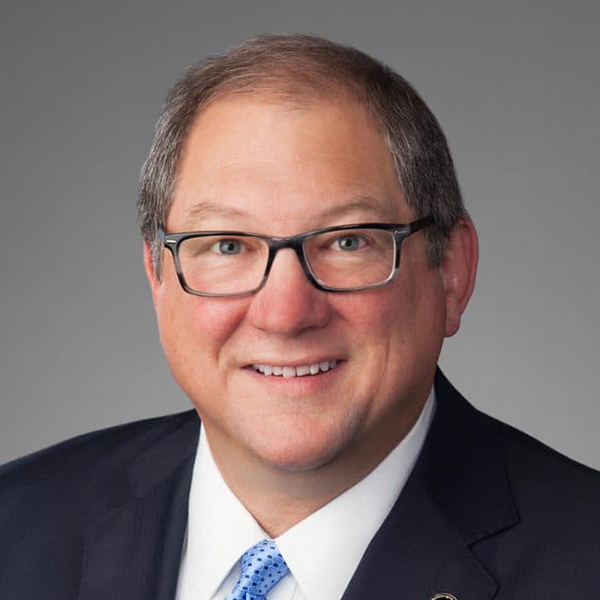
Scott Margraves
Gulf Coast Risk Management