
What Does an Expert Witness Actually Review in a Case? (A Behind-the-Scenes Look)
If you’ve ever worked with an expert witness—or are thinking about bringing one into a case—you’ve probably wondered:
What do they actually do once they get involved?
Most attorneys know when to hire an expert and why they’re important. But what happens behind the scenes is often less clear.
So let’s pull back the curtain a bit and walk through what an expert witness is really reviewing, analyzing, and thinking about as your case moves forward.
It Starts with the Big Picture
Before diving into details, an expert is trying to understand the case at a high level.
That usually includes reviewing:
- The claim or dispute itself
- Key allegations
- The overall timeline
Think of this as getting oriented—figuring out where the issues are likely to be.
Digging Into the Documentation
Once the basics are clear, the real work begins.
In insurance and risk-related cases, this often means going through:
- Claim files
- Certificates of Insurance (COIs)
- Policies and endorsements
- Contracts and agreements
- Emails and internal communications
And yes—this can be a lot of material.
But here’s the key:
An experienced expert isn’t just reading documents—they’re looking for what’s missing, inconsistent, or misunderstood.
An experienced expert isn’t just reading documents—they’re looking for what’s missing, inconsistent, or misunderstood.
Looking for Gaps and Red Flags
This is where things get interesting.
An expert witness is constantly asking:
- Does the documentation support the claim being made?
- Are there compliance issues?
- Is something missing that should be there?
- Do the policies actually say what people think they say?
Sometimes the biggest issues aren’t what’s in the file—they’re what’s not.
Connecting the Dots
After reviewing the documents, the next step is making sense of it all.
This means:
- Identifying patterns
- Understanding how decisions were made
- Evaluating whether industry standards were followed
This is where experience really matters—because it’s not just about facts, it’s about interpretation.
Forming Initial Opinions
At this point, an expert is starting to form opinions—but they’re not final yet.
They’re thinking:
- Where does liability potentially exist?
- What arguments are strong?
- What areas could be challenged?
These early insights can be incredibly valuable for attorneys shaping their strategy.
Working with the Attorney
This part is often overlooked.
A good expert witness doesn’t work in a vacuum—they collaborate with counsel.
That might include:
- Clarifying facts or timelines
- Requesting additional documentation
- Discussing case strategy (within appropriate boundaries)
The better the communication, the stronger the end result.
Refining Opinions for Deposition and Trial
As the case progresses, opinions get more refined and more defensible.
This includes:
- Stress-testing conclusions
- Anticipating opposing arguments
- Making sure everything is backed by documentation and industry standards
By the time deposition or trial comes around, the goal is simple:
Clear, credible, and well-supported testimony.
What This Means for Attorneys
Understanding this process can make a big difference in how effective your expert is.
A few takeaways:
- The quality of documentation matters—a lot
- Early involvement can uncover issues sooner
- Clear communication helps avoid wasted time
- The more complete the picture, the stronger the opinion
Final Thoughts
From the outside, it might look like an expert witness just “reviews documents and gives an opinion.”
But behind the scenes, there’s a structured process:
- Understanding the case
- Analyzing documentation
- Identifying gaps
- Forming and refining opinions
And when done right, that process can have a real impact on how a case plays out.
Need Insight on a Case?
At Gulf Coast Risk Management, we work closely with attorneys to evaluate documentation, identify risk issues, and develop clear, defensible expert opinions.
If you’re working through a complex case and need a second set of experienced eyes, we’re here to help.
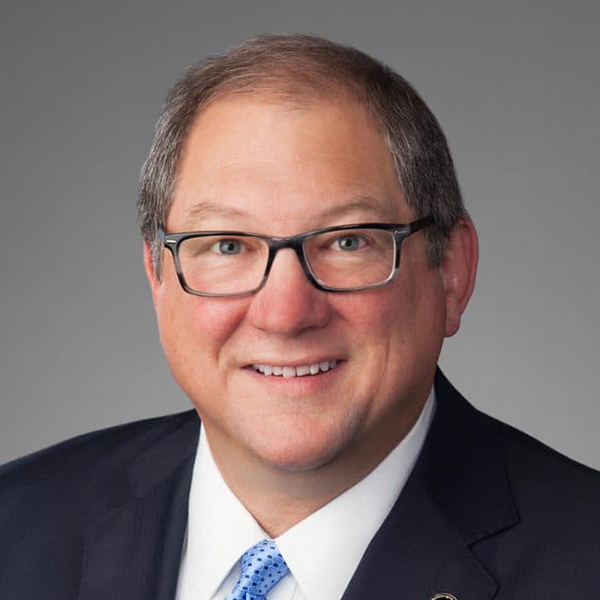
Scott Margraves
Gulf Coast Risk Management