
What Types of Insurance Cases Benefit From Expert Witness Testimony?
Insurance disputes can become complicated quickly. What begins as a disagreement over a claim payment may develop into litigation involving policy interpretation, claims handling procedures, industry standards, or allegations of improper conduct.
For attorneys handling these cases, one of the biggest challenges is explaining how insurance companies operate and whether the actions taken in a particular situation were consistent with applicable industry practices.
That’s where an insurance expert witness may play an important role.
Insurance cases that commonly benefit from expert witness testimony include bad faith disputes, claims handling litigation, standard-of-care disagreements, commercial property claims, automobile insurance disputes, and complex or specialty insurance matters. An experienced insurance expert can evaluate relevant practices, explain technical issues, and provide independent opinions that help attorneys present complicated insurance questions to a judge, jury, or mediator.
Not every insurance lawsuit requires an expert witness. However, when a case involves specialized insurance knowledge beyond the experience of the average person, qualified expert testimony can help clarify the issues that matter.
Why Are Expert Witnesses Important in Insurance Litigation?
Insurance companies operate within a complex framework of policies, procedures, regulations, contractual obligations, and industry practices.
When a dispute reaches litigation, attorneys may need to establish more than whether a claim was paid or denied.
They may need to examine how the claim was investigated, what information was available to the insurer, how decisions were documented, and whether the insurer’s conduct was consistent with the applicable standard of care.
An insurance expert witness can help analyze those questions from an industry perspective.
Rather than simply describing what happened, the expert evaluates the relevant conduct against an identified professional framework.
That analysis may help attorneys explain why certain decisions were reasonable, unreasonable, consistent with industry practices, or inconsistent with them.
The expert’s role is not to advocate for a predetermined outcome. It is to provide an independent, supportable opinion based on the evidence and appropriate professional standards.
1. Insurance Bad Faith Claims
Bad faith litigation is one area where insurance expert witness testimony may be particularly valuable.
These disputes often involve allegations that an insurer failed to handle a claim appropriately.
Depending on the applicable law and circumstances, allegations may involve unreasonable delays, inadequate investigations, improper denials, or other disputed claim-handling conduct.
An expert may be asked to evaluate questions such as:
- Was the claim investigated in a manner consistent with relevant industry practices?
- Did the insurer request and consider appropriate information?
- Were claim decisions adequately documented?
- Were communications and follow-up actions consistent with applicable claims procedures?
- Did the insurer have a reasonable basis for its handling decisions, viewed in light of the information available at the time?
An expert’s analysis can provide context for the actions taken during the claim.
However, the ultimate determination of whether an insurer acted in bad faith is a legal question governed by the applicable jurisdiction. An insurance expert should not substitute a legal conclusion for a professional opinion about claims practices.
2. Standard-of-Care Disputes
One of the most important roles of an insurance expert witness is evaluating whether an insurance professional’s conduct met the applicable standard of care.
These cases may involve insurance agents, brokers, adjusters, claims personnel, or other insurance professionals.
A dispute might concern the handling of a claim, the placement of coverage, the communication of information, or another professional responsibility.
The expert may evaluate established practices, the professional’s responsibilities, and the circumstances surrounding the disputed conduct.
For example, an attorney may need to determine whether an insurance professional followed appropriate procedures when reviewing information, communicating with a client, or making a recommendation.
A credible standard-of-care opinion should explain what standard applies, how that standard was identified, which facts are relevant, and how the professional’s conduct compares with that standard.
Simply stating that someone acted appropriately or improperly is not enough.
The opinion must be supported by a reasoned analysis.
3. Commercial Property Insurance Disputes
Commercial property insurance claims can involve substantial financial losses and complicated claim investigations.
Damage caused by storms, fire, water, equipment failures, and other events may lead to disagreements over coverage, investigation procedures, documentation, or claim handling.
An insurance expert may be useful when attorneys need to evaluate how the insurer handled the claim.
Potential issues include the investigation process, communication with the insured, documentation of the claim, consideration of relevant evidence, and the procedures used to reach a decision.
For example, a commercial property dispute may involve disagreements over whether the insurer reasonably investigated reported damage before making its coverage determination.
An insurance expert can evaluate the claims-handling process.
Other specialists, such as engineers, building consultants, or valuation professionals, may be needed to address technical questions outside the insurance expert’s particular expertise.
4. Automobile Insurance and Liability Claims
Automobile insurance litigation may involve disputes over claim investigations, liability evaluations, settlement practices, coverage questions, or the handling of injury-related claims.
While accident reconstruction experts address how collisions occurred, insurance experts may focus on how an insurer evaluated and handled the resulting claim.
An insurance expert may examine whether relevant information was considered, whether the claim investigation was adequately documented, and whether the handling process was consistent with applicable practices.
In some cases, expert testimony may also help explain the procedures and considerations involved in evaluating settlement opportunities.
The distinction between insurance claims expertise and accident reconstruction or medical expertise is important.
Each expert should remain within the boundaries of their qualifications.
5. Specialty and Complex Insurance Disputes
Certain insurance products involve specialized underwriting, claims procedures, or coverage structures.
Disputes involving professional liability, excess and umbrella coverage, specialty commercial insurance, or other complex products may present issues unfamiliar to a judge or jury.
An expert with relevant experience may help explain how these products function and how claims are typically administered.
The value of the testimony depends on whether the expert has the specific knowledge required for the dispute.
Broad insurance experience alone does not necessarily qualify an individual to provide opinions on every specialty product or claims practice.
Attorneys should match the expert’s experience to the actual issues in the case.
6. Insurance Agent and Broker Negligence Claims
Insurance agents and brokers may face litigation involving allegations of improper advice, failure to procure requested coverage, or inadequate communication.
These disputes can raise questions about professional responsibilities and the customary practices of insurance producers.
An expert may evaluate the information available to the agent or broker, the nature of the client relationship, the requested coverage, and the professional practices relevant to the transaction.
For example, the case may involve a disagreement over whether an agent adequately addressed a specific coverage request.
The expert’s analysis should distinguish between professional practices and legal duties established by statute, contract, or case law.
That distinction helps keep the testimony focused and defensible.
What Technical Insurance Issues Typically Require an Independent Expert Opinion?
Insurance litigation often involves specialized questions that cannot be answered simply by reading a policy or reviewing the final claim decision.
Some of the most common issues include claim investigation procedures, documentation practices, communications, coverage-related processes, settlement evaluation practices, and professional standards of care.
The expert may need to review claim files, correspondence, internal notes, applicable procedures, relevant industry materials, and deposition testimony.
The objective is to understand the decision-making process and determine whether the available evidence supports a professional opinion.
A well-supported analysis should consider information that supports and challenges the expert’s conclusions.
How Does an Insurance Expert Establish the Standard of Care?
The standard of care is often central to an insurance expert’s opinion.
But it should not be treated as a vague reference to what insurance companies generally do.
A defensible opinion requires the expert to identify the relevant professional practices and explain why they apply.
Depending on the case, the analysis may consider industry guidance, established claims practices, professional training, company procedures, applicable regulatory requirements, and the expert’s relevant experience.
These sources are not necessarily interchangeable.
For example, an insurer’s internal procedure may provide useful evidence about its own practices, but it does not automatically establish the industry-wide standard of care.
Likewise, the existence of a regulatory requirement does not necessarily resolve every question about professional conduct.
The expert must explain the basis for the opinion rather than relying on generalized assertions.
How Can Expert Testimony Help Attorneys Explain Complex Insurance Practices?
Insurance litigation often requires attorneys to present complicated processes to people who have little experience with the insurance industry.
A judge, jury, or mediator may understand that a claim was denied without understanding how the insurer reached that decision.
An insurance expert can help explain the relevant process in understandable terms.
For example, the expert may describe how claims are investigated, why particular documents matter, how information is evaluated, or what professional practices are relevant to the disputed conduct.
The testimony can also help distinguish between an unfavorable outcome and an improper process.
A claim denial does not automatically establish misconduct.
Similarly, the fact that an insurer followed some internal procedures does not automatically establish that its handling was appropriate.
The expert’s role is to evaluate the relevant evidence and explain the reasoning behind the opinion.
How Do Insurance Expert Witnesses Defend Their Opinions During Cross-Examination?
An expert opinion must do more than sound persuasive in a written report.
It should be capable of withstanding questions about the expert’s qualifications, methodology, factual assumptions, and conclusions.
During cross-examination, opposing counsel may challenge whether the expert reviewed all relevant materials, applied a consistent standard, considered contrary evidence, or exceeded the scope of their expertise.
An expert who relies on broad statements without explaining the supporting analysis may have difficulty defending the opinion.
By contrast, a well-developed opinion connects the evidence to the relevant professional standard and explains each significant step in the reasoning.
What Makes a Standard-of-Care Opinion Defensible?
Several factors contribute to a defensible opinion.
Relevant qualifications: The expert should have experience that relates directly to the disputed insurance practices.
A clearly identified standard: The report should explain which professional standard or practice is being applied and why it is appropriate.
A reliable factual foundation: The opinion should be based on sufficient relevant evidence, with important assumptions identified.
A consistent methodology: The expert should apply the same analytical approach regardless of which party retained them.
Consideration of contrary evidence: A credible analysis should address material facts that may not support the expert’s conclusion.
Clear explanations: The expert should be able to explain the reasoning without relying on unnecessary technical language or unsupported conclusions.
These elements are important both when preparing the report and when testifying.
When Should Attorneys Retain an Insurance Expert Witness?
In many cases, early consultation can be beneficial.
An insurance expert may help counsel identify the relevant professional issues, evaluate available claim materials, and determine what additional information may be needed.
Early involvement can also help attorneys distinguish between questions that require insurance expertise and those better addressed by another specialist.
However, the appropriate timing depends on the case, litigation schedule, discovery needs, and applicable expert disclosure requirements.
Attorneys should also consider whether the expert will serve as a consulting expert, testifying expert, or both, because those roles can have different procedural and discovery implications.
What Should Attorneys Look for When Selecting an Insurance Expert Witness?
Experience matters, but relevant experience matters more.
An expert who has worked extensively in insurance may still lack the specific background needed for a particular claim-handling or standard-of-care dispute.
Attorneys should consider the expert’s professional experience, familiarity with the type of insurance involved, analytical approach, communication skills, and ability to explain opinions under questioning.
The expert should also be willing to identify limitations in the available evidence.
A credible expert does not promise to reach a particular conclusion before reviewing the case.
Instead, the expert evaluates the materials and determines which opinions can be supported.
Can Artificial Intelligence Replace an Insurance Expert Witness?
Artificial intelligence may assist with certain administrative or quality-control tasks, but it cannot substitute for the qualifications, independent judgment, and defensible methodology required of a testifying insurance expert.
AI-generated information can contain errors, omit important context, or mischaracterize insurance practices and legal authorities.
Using AI to develop substantive opinions or draft expert analysis without appropriate independent work can create serious questions about reliability, authorship, confidentiality, and disclosure.
For insurance expert testimony, the analysis and conclusions must be the expert’s own.
Any permitted technology use should be consistent with applicable court rules, protective orders, confidentiality obligations, and counsel’s instructions.
The central issue is whether the expert can personally explain and defend the evidence, methodology, and conclusions presented.
Frequently Asked Questions About Insurance Expert Witnesses
What types of insurance lawsuits need expert witnesses?
Expert testimony may be useful in bad faith claims, standard-of-care disputes, commercial property claims, automobile insurance litigation, agent and broker negligence cases, and specialty insurance disputes involving technical industry practices.
What does an insurance expert witness do?
An insurance expert witness reviews relevant evidence, evaluates insurance practices within their expertise, and provides independent opinions that may assist attorneys, judges, juries, or mediators in understanding specialized issues.
Can an insurance expert testify about bad faith?
An expert may evaluate claim-handling conduct and relevant insurance practices. Whether the conduct legally constitutes bad faith is generally a determination governed by applicable law and reserved for the appropriate legal decision-maker.
What is the standard of care in insurance litigation?
The standard of care concerns the professional conduct reasonably expected under the relevant circumstances. Its precise application depends on the role, jurisdiction, legal framework, and facts of the case.
Can an expert witness help the defense in an insurance case?
Yes. An insurance expert may evaluate whether the evidence supports the insurer’s handling decisions and explain relevant practices. The expert’s conclusions must remain independent and evidence-based.
Can an insurance expert help during mediation?
Yes. Expert analysis may help clarify technical issues, identify areas of disagreement, and provide context that assists parties in evaluating disputed claims.
How should attorneys prepare an insurance expert for cross-examination?
Preparation should focus on the expert’s qualifications, factual foundation, methodology, assumptions, contrary evidence, and ability to explain the opinion clearly. The goal is a defensible analysis, not a rehearsed conclusion.
The Right Insurance Expert Can Help Clarify the Issues That Matter
Insurance litigation often turns on details that are difficult to explain without specialized industry knowledge.
How was the claim investigated? What information was available? Which professional practices applied? Was the handling consistent with the relevant standard of care?
These questions can have a significant influence on how attorneys evaluate and present a case.
An experienced insurance expert witness can help connect the facts to the applicable industry practices, explain complicated processes, and provide opinions supported by a clear analytical foundation.
Just as importantly, a qualified expert should be prepared to defend those opinions under cross-examination.
Insurance Expert Witness Services From Gulf Coast Risk Management
Gulf Coast Risk Management provides insurance-related expert witness and litigation support services for attorneys handling disputes involving claims practices, professional standards, and other insurance industry issues.
When a case requires an independent evaluation of insurance conduct, relevant industry experience and a carefully developed methodology are essential.
Whether the matter involves a claim-handling dispute, standard-of-care question, or complex insurance practice, Gulf Coast Risk Management can help attorneys evaluate the issues and determine whether its expertise is appropriate for the case.
Contact Gulf Coast Risk Management to discuss your insurance litigation matter and learn more about available expert witness services.
Visit Gulf Coast Risk Management for additional information.
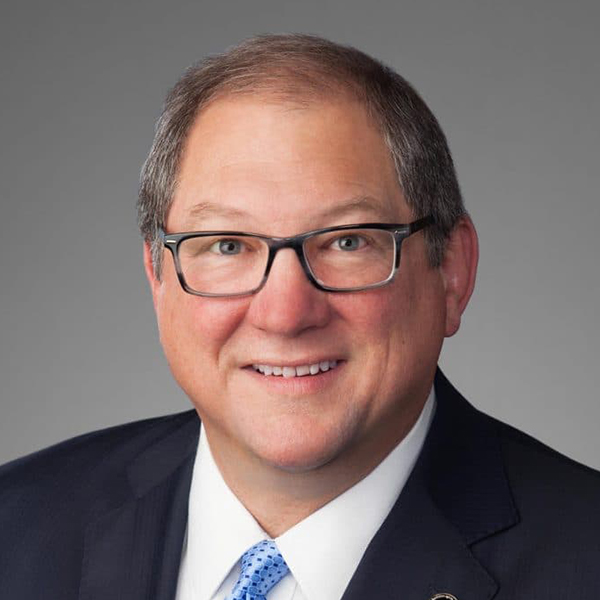
Scott Margraves
Gulf Coast Risk Management